Self-hosted container observability with AI context and persistent logs
logdeck, by AmoabaKelvin, is a self-hosted control plane that centralizes container logs and observability for Docker and Podman environments. The tool captures historical logs, provides a machine-readable context endpoint for AI coding assistants, and exposes live container telemetry alongside lifecycle controls. It ships as a compact deployment suitable for Linux hosts and is designed to keep data on-premises, and integrates with AI-enabled development workflows.
What tasks can you actually use it for?
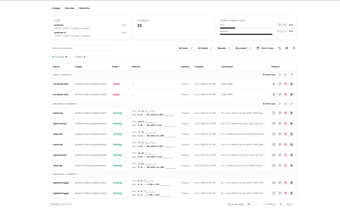
The tool focuses on container observability and operational control, combining persistent log access with interactive management. It supports lifecycle commands and Compose stack operations, provides an in-browser shell to running containers, and surfaces live telemetry so operators can inspect resource trends. Typical workflow actions include:
- start, stop, restart, remove containers
- inspect Compose stacks and service statuses
- open a shell in running containers from the browser
How durable and actionable are its logs and metrics?
The tool stores run history so that logs persist across redeployments; logs explicitly survive a 'docker compose up --build' and container removals. Monitoring presents live CPU and memory numbers with historical trends, and automated alerts flag container deaths, OOM kills, and configured log error patterns. Community feedback highlights the persistent-log approach as a simpler alternative to heavier logging stacks for small deployments.
Does it require technical setup or skills to operate?
Deployment targets Linux hosts running Docker or Podman and supports remote host control over SSH or TCP without installing agents on target nodes. The built-in Model Context Protocol server exposes infrastructure context to MCP-compliant clients such as Claude Desktop, Cursor, and Claude Code, enabling AI clients to inspect logs and perform management actions. Operators therefore must plan host access and agent permissions as part of setup.
Practical choice for operators who want local control with AI access
The tool suits teams that prioritize on-premises observability and are prepared to manage agent permissions for programmatic access. Expect to define host access policies and agent limits before enabling AI-driven operations, since connected clients can act on infrastructure. It is a pragmatic fit for DevOps-focused self-hosters who accept operator-managed access controls and SSH-based administration.